
The Complete Guide to DTF Printing
Direct-to-Film (DTF) printing is a revolutionary printing method that has gained significant traction in the custom apparel industry. Offering versatility, vibrant color reproduction, and compatibility with a wide range of fabrics, DTF printing has rapidly emerged as a go-to solution for businesses looking to produce high-quality custom designs on textiles. In this comprehensive guide, we will delve into the world of DTF printing, covering everything from its rise in popularity to its processes, tools, and potential impact on the market.
DTF Printing
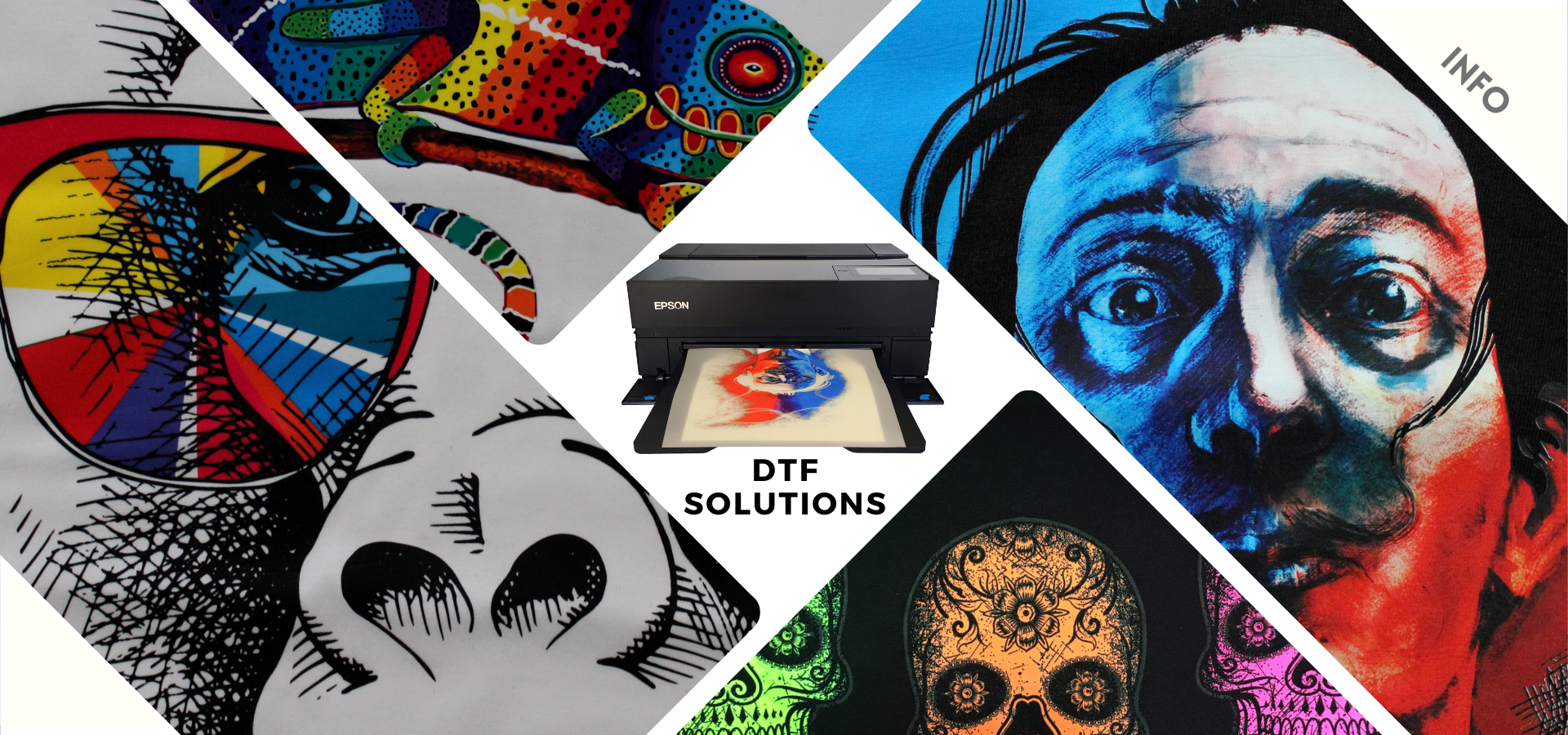
Direct-to-Film (DTF) printing is a technique where a design is first printed onto a special transfer film, then transferred onto the final garment or fabric through heat press application. Unlike traditional screen printing or direct-to-garment (DTG) printing, DTF printing utilizes a unique transfer process that is well-suited for a variety of fabrics, including cotton, polyester, and blends.
In DTF printing, the ink is printed onto a film using a specialized printer. Afterward, an adhesive powder is applied to the ink while it is still wet. The powder is then cured, and the image is transferred to the fabric using a heat press. This technology allows for vibrant colors and fine details, making it ideal for custom apparel production.
The Rise of DTF Printing
DTF printing has seen a surge in popularity in recent years, thanks in part to its many advantages over traditional printing methods. The growing demand for personalized apparel, the affordability of the technology, and its ability to print on diverse fabrics have all contributed to DTF’s rise.
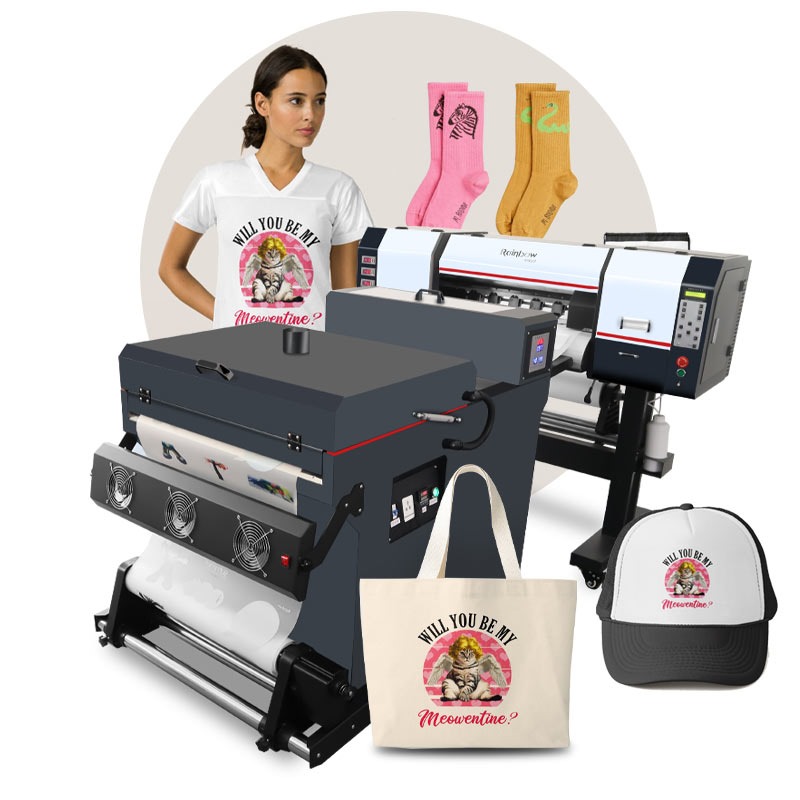
Historically, businesses relied on methods like screen printing for mass production and DTG for high-quality, small-batch prints. However, both these methods have their limitations. Screen printing is best suited for large runs and is not as efficient for small, multi-color designs, while DTG printing requires specialized equipment and is often more expensive for small production runs.
DTF printing emerged as a solution that blends the best of both worlds—offering vibrant, detailed designs, quick turnaround times, and affordability. Additionally, DTF printing is not restricted to specific fabric types, unlike sublimation printing, which requires synthetic materials.
The combination of these factors has led to DTF printing becoming an increasingly popular choice for small and medium-sized businesses looking to break into the custom apparel market.
Using DTF Printing for Businesses or Projects
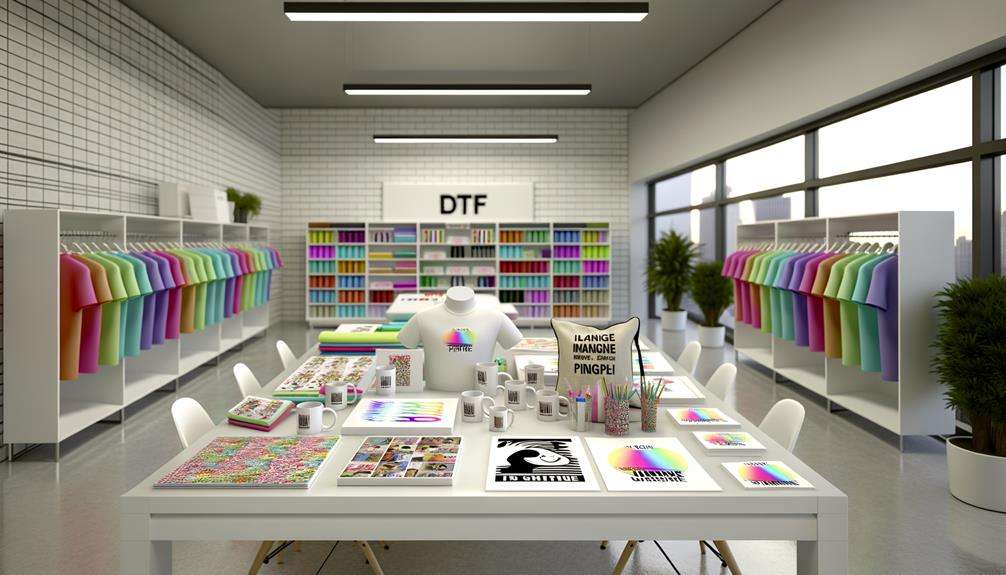
DTF printing is not just for large-scale manufacturers; it’s highly adaptable and offers significant opportunities for smaller businesses, entrepreneurs, and even hobbyists. Whether you’re starting a custom apparel line, creating branded merchandise, or designing unique gifts, DTF printing can be a game-changer.
Types of Businesses Benefiting from DTF Printing:
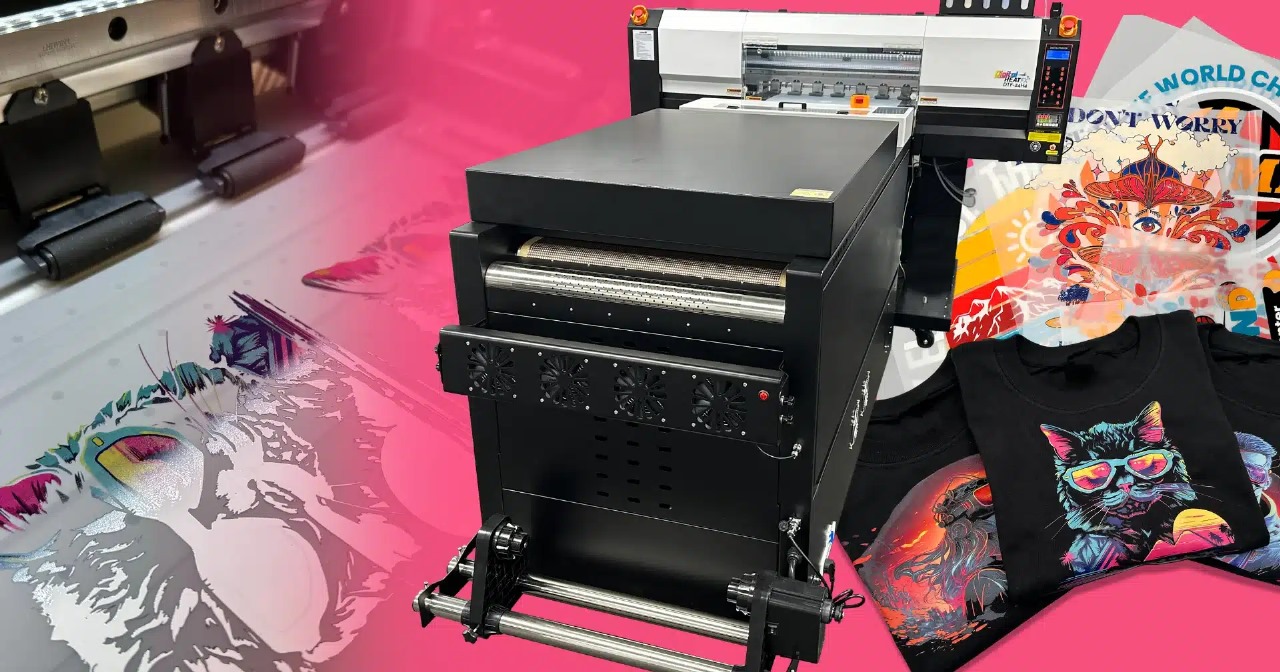
- Custom Apparel Businesses: From t-shirts to hoodies and hats, DTF printing can be used to create personalized clothing items, ideal for fashion brands, events, and promotional merchandise.
- Home-Based Businesses: Many entrepreneurs operate from home, offering custom products through platforms like Etsy, Shopify, and Amazon. DTF printing makes it easier to offer personalized designs with minimal startup costs.
- Promotional Products: Businesses can use DTF printing to create branded merchandise such as bags, caps, and aprons that feature logos or custom artwork.
- Gift Shops and Personalization Services: Custom gifts are always in demand, and DTF printing allows for intricate designs on a variety of items, including textiles and fabrics.
Whether you’re offering simple logos or intricate artwork, DTF printing can help meet customer demands for quality, customization, and speed.
The DTF Printing Process
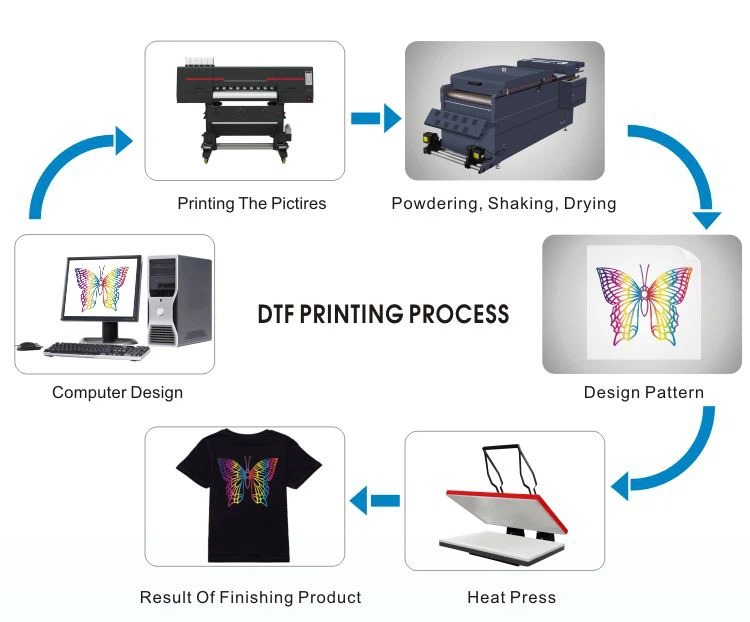
Understanding the DTF printing process is key to getting high-quality prints. Here’s a breakdown of the key steps involved:
- Design Creation: First, a design is created using graphic design software like Adobe Illustrator or CorelDRAW. The file is then prepared for printing, ensuring the colors, resolution, and file format are correct.
- Printing onto Film: The design is printed onto a special transfer film using a DTF printer. This printer uses water-based inks (typically CMYK) to transfer the image onto the film.
- Applying Adhesive Powder: After printing, the still-wet ink on the film is dusted with an adhesive powder. This powder sticks to the ink, creating a bond between the design and the fabric.
- Curing the Adhesive: The film with the adhesive powder is passed through a curing oven or heat tunnel to melt the powder, which bonds to the ink, ensuring the design will transfer securely onto the fabric.
- Transferring the Design: Finally, the film is placed on the fabric, and a heat press is used to transfer the design onto the garment. The heat press applies both heat and pressure, ensuring the ink adheres to the fabric without fading or cracking.
Step-by-Step Breakdown of the DTF Printing Process
1. Artwork Preparation
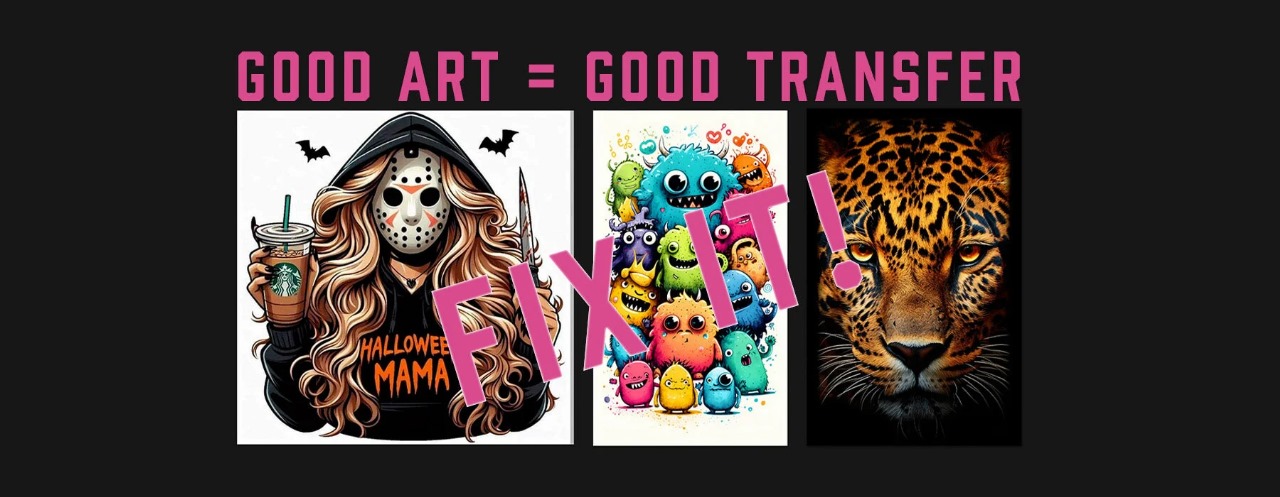
The first step in the DTF printing process is preparing your digital artwork. This typically involves creating the design at a high resolution, usually 300 dpi, to ensure high-quality prints. It’s essential to design the artwork with a transparent background for optimal transfer. Additionally, a special consideration is needed for the white layer, which is critical for ensuring the design pops on dark fabrics. This layer is usually added in the artwork to make the colors appear more vibrant when transferred onto darker substrates.
2. Artwork Processing in RIP Software
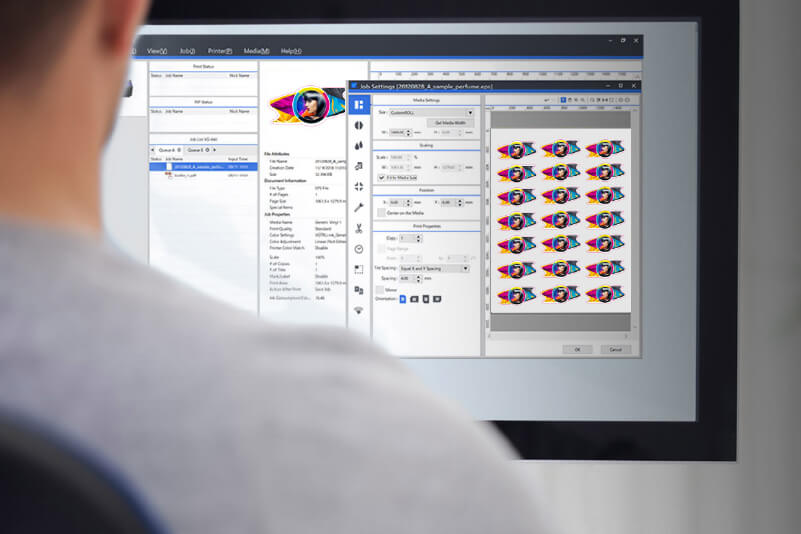
Once your design is prepared, it must be processed using RIP (Raster Image Processor) software. This software is essential for sending the correct instructions to the DTF printer, including color separation and ink management. Some common RIP software options include:
- Cadlink
- Wasatch
- Flexi
RIP software allows you to manage the print settings, adjust ink usage, and add the necessary white layer for dark fabrics.
3. Printing the Design onto PET Film
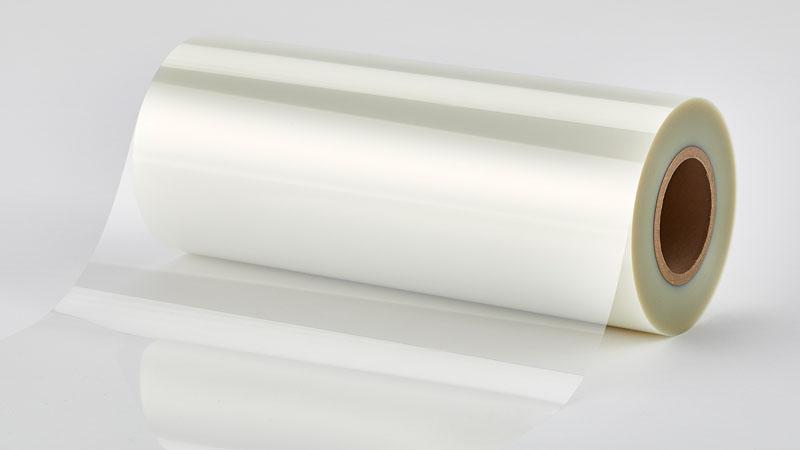
Next, the artwork is sent to the DTF printer. This step involves printing the design onto clear PET release film using an inkjet printer. The printer uses CMYK (Cyan, Magenta, Yellow, Black) pigment-based inks, with an additional white ink layer (W). The white ink is essential for ensuring the design is visible on dark fabrics and adds opacity to the printed image. The clear PET film acts as a transfer medium, ensuring that the design can be easily transferred onto the fabric later in the process.
4. Application of Adhesive Powder
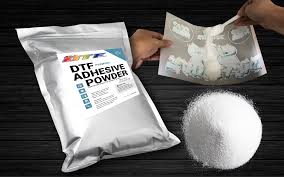
Once the design is printed, the next step is to apply the adhesive powder. After the film exits the printer, it is passed over a heated platen (a flat surface) where the hot melt adhesive powder is applied. The powder adheres only to the areas where the ink is printed, ensuring that the design is properly bonded to the fabric during the transfer process.
The powder is applied evenly, and the film moves through an automated system, ensuring a consistent coating. This powder is what will help the ink transfer from the film to the fabric.
5. Shaking Off Excess Powder
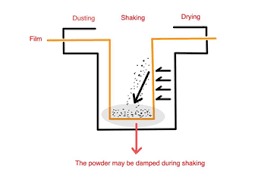
After the adhesive powder is applied, the excess powder in the non-image areas is removed. This is typically done by using a vibration or shake-off system. The aim is to leave only the adhesive powder where the design is printed, ensuring no unwanted powder is transferred during the curing process.
6. Curing the Ink and Melting the Adhesive Powder
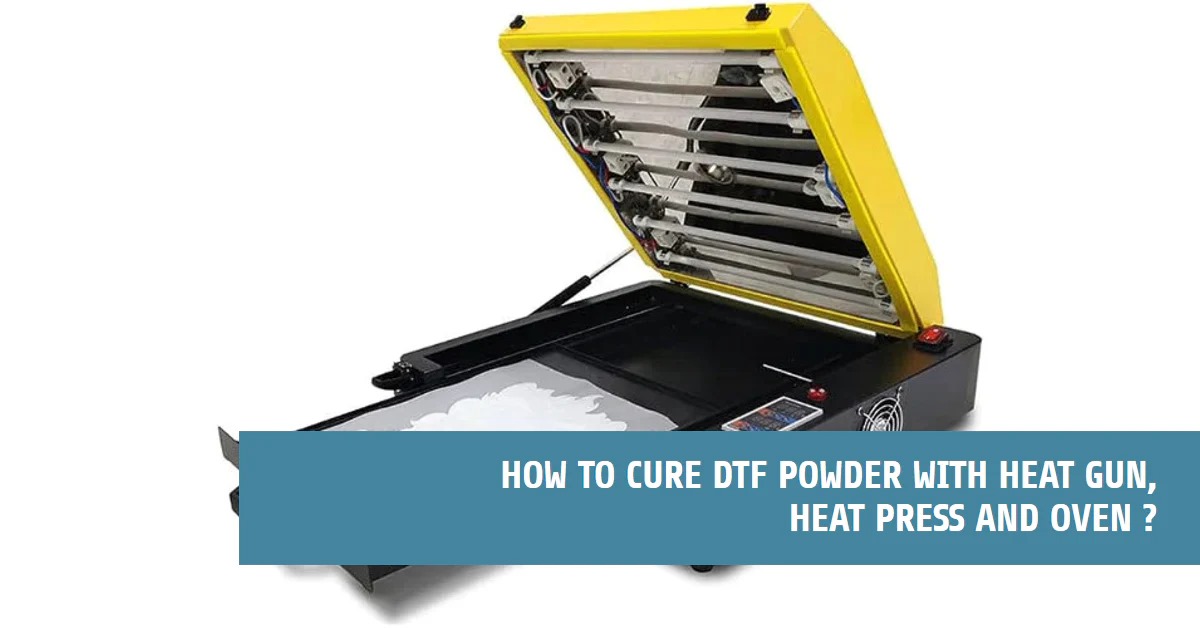
The film, now covered in both ink and adhesive powder, moves through a tunnel oven or is passed under a heat press. Here, the ink is cured, and the adhesive powder is melted. The heat helps to bond the powder to the ink and ensures that the design is secure. The curing process is crucial because it ensures the final print is durable and can withstand wear, washing, and environmental conditions.
The result of this step is a design that feels slightly raised and has a characteristic “orange-peel” texture when properly cured. This texture is due to the melted adhesive powder bonding with the ink.
7. Cooling and Storage
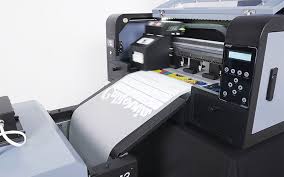
Once the film exits the tunnel oven, it must cool down before it is rolled up for storage or shipping. Fans or cooling systems assist with this cooling process, ensuring the film is not too hot when it’s handled. After the film cools down, it is either stored for later use or sent to a client.
The Pressing Process
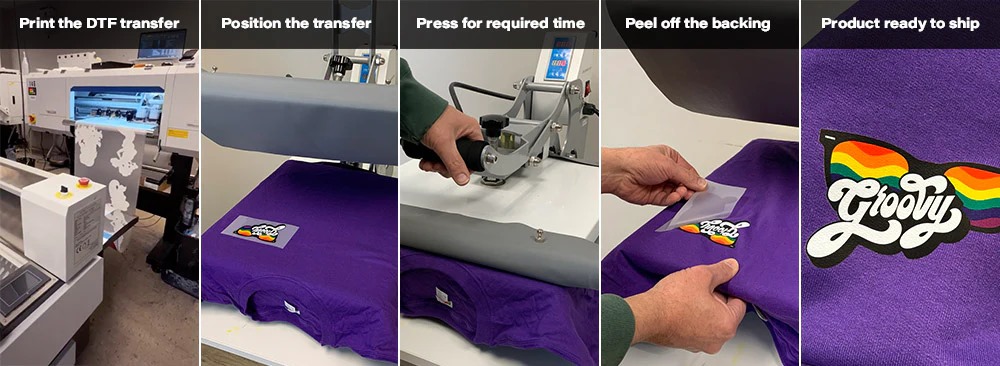
Once the DTF transfer is ready, the next stage is applying it to the substrate (the fabric or garment). This stage involves using a heat press to transfer the design from the film to the fabric. Here’s how the pressing process works:
1. Position the Transfer on the Substrate
Place the DTF transfer film onto the substrate (such as a t-shirt, hoodie, or other fabric). Ensure that the design is aligned properly and that the adhesive side of the transfer is facing the fabric.
2. Apply Heat and Pressure
The heat press is set to a temperature between 275˚F and 295˚F (135˚C to 146˚C), depending on the type of fabric and the adhesive used. The transfer is pressed for a duration of 10-15 seconds. The heat press applies both heat and pressure to ensure that the design adheres effectively to the fabric.
3. Cool Down and Peel
After the heat press cycle is completed, wait for about 5 seconds to let the transfer cool slightly. This step prevents damage to the design or fabric. Once the cooling period is over, gently peel away the PET film from the fabric. The result is a high-quality, vibrant, and durable print on the fabric.
Required Tools and Equipment
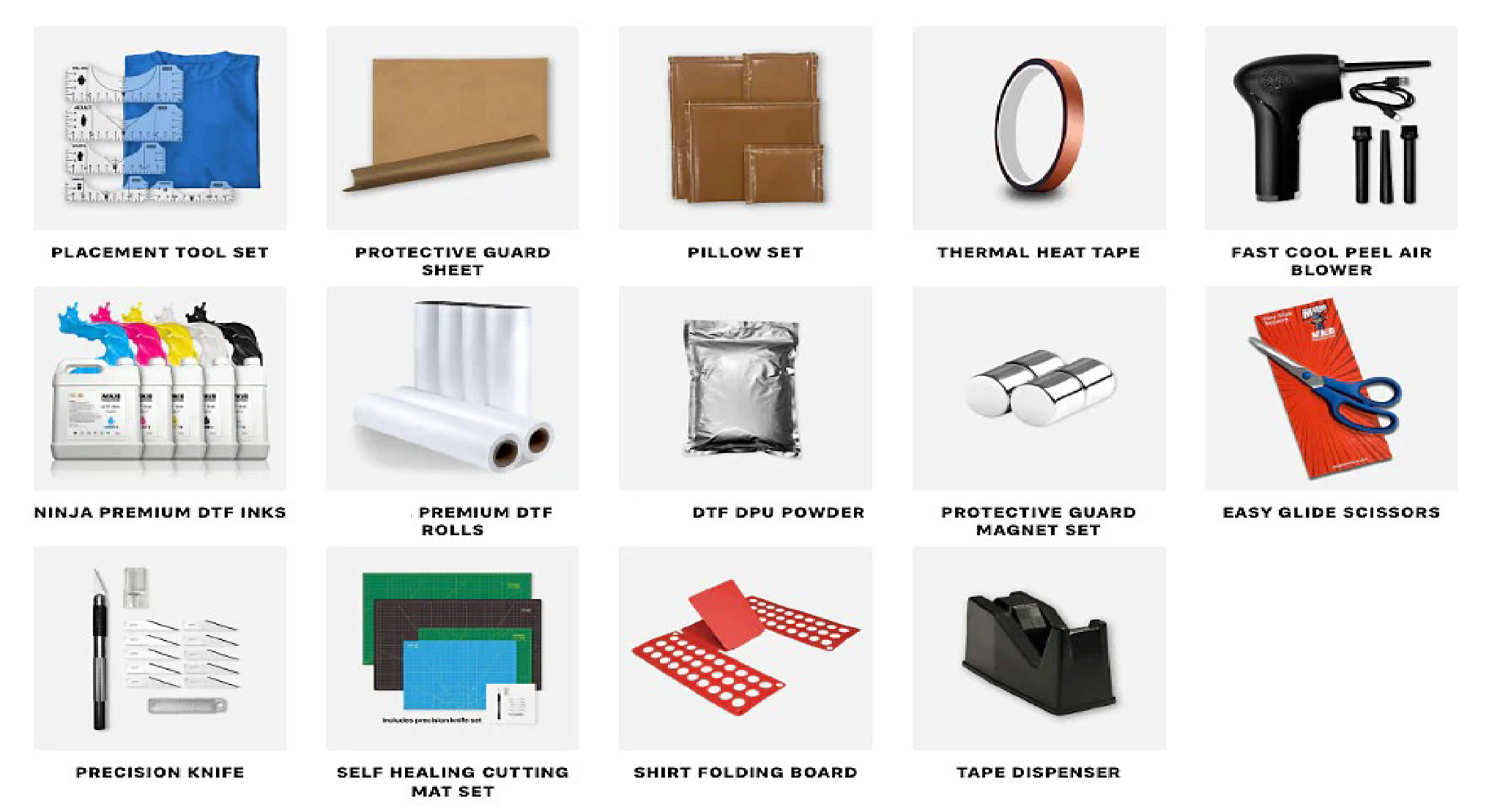
To set up a DTF printing operation, you’ll need the following equipment:
- DTF Printer: This specialized printer is designed to print onto transfer film. It uses water-based inks and is optimized for the unique needs of DTF printing.
- Transfer Film: The film is where the design is printed before it’s transferred to the fabric.
- Adhesive Powder: This powder is a key component that binds the ink to the fabric.
- Curing Oven or Heat Tunnel: After applying the adhesive powder, the film needs to be cured to melt the powder and bond it with the ink.
- Heat Press Machine: A heat press is used to transfer the design from the film to the fabric. This is a critical step to ensure a durable and high-quality result.
While the initial investment may be higher than some other methods, the combination of high-quality output and versatility makes DTF printing an attractive option.
Pros & Cons of DTF Printing

Pros:
- Versatility: DTF printing can be used on a wide variety of fabrics, including cotton, polyester, and blends.
- Vibrant Colors: The water-based inks used in DTF printing produce bright, sharp, and durable colors.
- Durability: Once transferred, the design is long-lasting and can withstand multiple washes without fading or cracking.
- Cost-Effective for Small Runs: Unlike screen printing, which requires setup costs for each design, DTF printing is more affordable for small production runs.
- No Need for Pre-Treatment: Unlike DTG printing, which requires pre-treatment for certain fabrics, DTF printing can work on various materials without extra steps.
Cons:
- Learning Curve: Setting up and optimizing the DTF printing process can require some experimentation and practice.
- Equipment Cost: While not as expensive as screen printing, the initial investment for a DTF printer and related equipment can be higher than some other methods.
- Maintenance: Like any printing technology, regular maintenance is required to keep the equipment running smoothly.
Impact of DTF Printing on the Market
DTF printing has significantly impacted the custom apparel market, disrupting traditional printing methods. It has opened doors for small businesses and entrepreneurs to enter the custom printing space without the significant capital investment required for other methods like screen printing.
As the demand for customized, high-quality products continues to rise, DTF printing presents a scalable, efficient, and cost-effective solution. Its ability to print on multiple fabric types and produce designs with fine details has made it a game-changer, particularly in the fashion, promotional products, and personalized gifts sectors.
Leveraging DTF Printing for Your Business
To maximize the potential of DTF printing for your business, consider the following:
- Offer Custom Designs: Expand your product offerings by providing customers with the ability to create their own designs or select from pre-made options.
- Fast Turnaround Times: DTF printing allows for quick production, which is ideal for businesses that require fast fulfillment.
- Low-Cost Investment: Compared to other printing methods, the upfront cost for DTF printing equipment is relatively low, making it accessible for small business owners and startups.
Incorporating DTF Printing In-House
Incorporating DTF printing into your business in-house can be a strategic move. It allows for greater control over production, faster turnaround times, and higher profit margins. When setting up an in-house DTF printing operation, consider:
- Space and Workflow: Ensure you have sufficient space for the printer, heat press, and curing equipment. A streamlined workflow will improve efficiency.
- Staff Training: Ensure your team is trained on the proper handling of the equipment and the DTF process.
- Maintenance and Quality Control: Regular maintenance of the printer and heat press will help avoid downtime and ensure consistent results.
Expanding Your Offerings by Selling Transfers
Another way to leverage DTF printing is by selling pre-made transfers to other businesses or individuals. This can be an additional revenue stream, especially if you specialize in producing high-quality designs. By selling transfers, you can cater to customers who prefer to heat press the designs themselves, thus opening up a whole new market.
Conclusion
DTF printing is rapidly becoming one of the most popular methods for custom apparel and textile printing. Its ability to print on various fabric types, produce high-quality, vibrant designs, and offer low startup costs makes it an appealing option for businesses of all sizes. By understanding the process, tools, and potential applications, you can take advantage of this technology to create and sell custom designs with ease.
FAQs
Q1: What materials can be used with DTF printing? A1: DTF printing works on a wide range of fabrics, including cotton, polyester, and fabric blends.
Q2: Is DTF printing cost-effective for small businesses? A2: Yes, DTF printing is relatively cost-effective for small businesses due to lower initial investment and fast production times.
Q3: How durable are DTF prints? A3: DTF prints are highly durable and can withstand multiple washes without fading or cracking, making them ideal for apparel.
Q4: Do I need to pre-treat fabrics for DTF printing? A4: No, unlike DTG printing, DTF printing does not require pre-treatment for fabrics.
Q5: Can I print complex designs with DTF? A5: Yes, DTF printing excels at reproducing intricate and multi-colored designs with fine detail.